A calling built from patterns, not a single moment
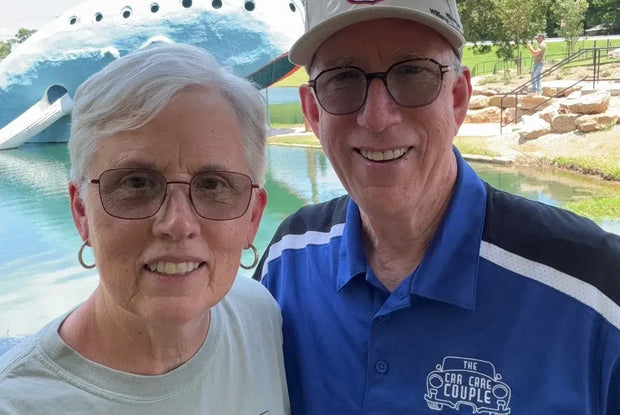
I'm Craig, originally from Australia, now based in the U.S. People often ask me what made me choose this path — and my honest answer is that I didn't choose it so much as follow it. There was no dramatic turning point, no single event that redirected my life. Instead, there was a pattern: a pull, again and again, toward situations where people needed someone to step in and where being prepared could change the outcome.
It started in aviation. I began as cabin crew, then moved into safety training, and that world taught me something I carry into every environment I work in — things escalate far faster than people expect, and preparation is the only thing that gives you any real control. From aviation I moved into firefighting and EMT work, and from there into disaster response. Hurricanes. Earthquakes. Environments where every decision has consequences and where hesitation costs lives.
Over a decade in, I still show up because of one simple belief: when things go wrong, I want to be the person who can make a difference.

What safety really means
Safety, to me, is a mindset before it's anything else. It is not about being fearful or paranoid — it's about being quietly, consistently aware.
In every environment I've worked in, the people who stay safest aren't always the most experienced or the most decorated. They're the ones paying attention. They notice the small things before those things become large problems. They've already run the scenarios in the back of their minds, so when something shifts, they're not starting from zero.
Safety is the habit of thinking one step ahead — not in an anxious way, but in a calm, practiced one. It's the difference between reacting and responding.
What I want everyone to understand
Things go wrong faster than people expect. That's the one truth I wish more people would take seriously.
Most emergencies don't arrive announcing themselves. They begin as something small, something manageable, something that almost seems fine — until suddenly they're not. The window between "this is odd" and "this is serious" is shorter than almost anyone believes until they've lived through it.

If I could leave people with one thing, it would be this: don't wait for confirmation that something is dangerous. Trust your instincts early. Give yourself permission to slow down and think before the situation forces your hand. That moment of deliberate pause — not hesitation from fear, but a beat of intentional awareness — can genuinely change everything.
Why the right equipment matters
Because when you need it, you really need it. There is no version of an emergency where you have the luxury of going back for the right tool.
I've stood in moments where someone had every intention of helping — themselves or someone else — and simply didn't have the means to do it. That is a hard thing to witness. All the training, all the experience, all the will in the world — and still, without the right equipment, you can find yourself powerless.
Good equipment doesn't just make things easier. It makes action possible. It bridges the gap between knowing what to do and actually being able to do it. That gap is where lives are lost, and it's exactly where the right tool closes the distance.

The moment that changed how I think about tools
The moment came during Hurricane Harvey. We needed to get into a damaged vehicle quickly — someone needed to retrieve something critical from inside. The doors were jammed, the glass was intact, and every second mattered.
I looked around and grabbed the nearest heavy object I could find — a metal scooter, the kind kids ride. I hit the window hard. Nothing. I hit it again, and again, putting real force into it. The glass would not shatter. Each failed strike felt heavier as time slipped away and the urgency grew.
Then a colleague walked over, reached into his pocket, pulled out a small glass-breaking tool, pressed it against the window once — and the glass shattered instantly.
I stood there for a moment just absorbing that contrast. All that force, all those attempts, versus one small, purposeful press. It completely reframed how I think about tools. It isn't about size or brute strength — it's about having the right instrument for the moment you're in. Since that day, the Resqme has been part of how I work and how I live. Because in an emergency, you don't get a second trip to collect the right gear. It's either with you, or it isn't.

Stories that stay with you
What stands out most from a decade in this work isn't any single story — it's how relentlessly the same theme repeats itself.
People caught off guard. Normal days cracking open into emergencies without warning. Situations where the difference between survival and tragedy came down to whether someone was paying attention, whether someone had a plan, whether someone had the right tool within reach.
But I've seen the other side of that pattern too. People who were prepared — sometimes in the smallest ways — and how dramatically that changed what was possible. Someone who knew what to do. Someone who had already thought it through. Someone who had a Resqme clipped to their keychain without ever expecting to use it, and then one day they did.
Those are the moments that remind you how thin the line is. And they're the reason I keep talking about this.

How I want to inspire others
Preparedness doesn't have to be complicated. It doesn't require a bunker or a survival manual or years of training. It can be as simple as being more aware, thinking one step further ahead than you normally would, or carrying something small that could make an enormous difference.
What I want to shift is the mindset — from "that won't happen to me" to "if it does, I'll be ready." That shift doesn't take much. It takes a decision to pay attention, to invest in small habits, to take your own safety seriously enough to prepare for it.
Because in an emergency, confidence comes from preparation. And that confidence — that readiness — can change everything.